Keeping a property safe and comfortable requires more than routine cleaning and occasional repairs. One of the most overlooked aspects of property maintenance is protecting it from unwanted pests. Insects and rodents can cause significant structural damage, spread illness, and create stressful living conditions if left unaddressed. That is why many homeowners and property managers rely on professional pest control services to maintain a secure and healthy environment throughout the year.
Unlike temporary fixes or store-bought sprays, professional solutions focus on prevention, monitoring, and long-term management. Every season brings different pest challenges, from ants in the spring to rodents seeking warmth in the winter.
A proactive approach ensures that your property stays protected regardless of changing weather patterns or environmental conditions. Understanding how these programs work can help you see why consistent protection matters.
Understanding Seasonal Pest Threats
Pest activity changes with the seasons. In warmer months, insects such as ants, mosquitoes, termites, and cockroaches become more active. They search for food, moisture, and nesting sites, often finding easy access points in residential and commercial properties. Summer heat can also drive pests indoors, where temperatures are cooler, and resources are readily available.
Fall introduces a new set of challenges. As temperatures drop, rodents begin searching for warm shelter. Mice and rats can squeeze through surprisingly small openings, nesting inside walls, attics, and crawl spaces. Once inside, they chew wiring, insulation, and stored materials, creating fire hazards and costly damage.
Winter does not eliminate pest risks. While some insects go dormant, others remain active indoors. Rodents continue breeding, and hidden infestations can grow unnoticed. By spring, small issues may develop into significant problems if they are not properly addressed.
A year-round plan anticipates these seasonal shifts. Rather than reacting to visible infestations, property owners benefit from ongoing inspections and preventive treatments designed to stop problems before they escalate. This consistent strategy ensures that protection remains steady, no matter the time of year.
Preventing Structural Damage and Costly Repairs
Pests are more than a nuisance. Many species can quietly compromise a property’s structural integrity. Termites, for example, feed on wood and can weaken support beams, flooring, and framing. Because their activity often goes unnoticed, damage may continue for months or even years before detection.
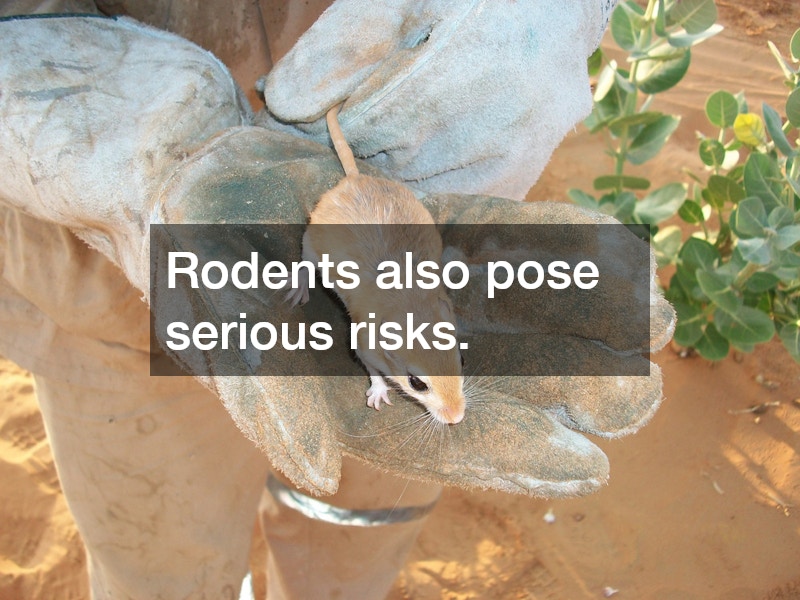
Rodents also pose serious risks. Their constant gnawing can damage electrical wiring, increasing the likelihood of short circuits or fires. They may also contaminate insulation and ductwork, affecting energy efficiency and indoor air quality. Carpenter ants and other wood-destroying insects further contribute to deterioration by burrowing into wooden structures.
Addressing small problems early is far more affordable than repairing major structural damage. Investing in prevention protects not only the physical structure but also the long-term value of the property. For homeowners, this means safeguarding one of their most significant financial investments. For commercial property owners, it means maintaining compliance, reputation, and operational stability.
Protecting Health and Indoor Comfort
Beyond structural concerns, pests can significantly impact health and comfort. Many insects and rodents carry bacteria, parasites, and allergens that can contaminate living spaces. Cockroaches, for instance, are known to trigger asthma symptoms, especially in children. Rodents leave droppings and urine that can spread harmful pathogens.
Bed bugs and mosquitoes create additional discomfort. While bed bugs do not transmit diseases, their bites can cause irritation and sleep disruption. Mosquitoes are known carriers of serious illnesses and can make outdoor spaces unpleasant during warmer months.
Consistent pest control services play an essential role in maintaining a hygienic environment. By controlling pest populations and eliminating nesting areas, these programs reduce the risk of contamination and allergen exposure. Treatments are often designed to target specific species while minimizing impact on people and pets when applied correctly.
Creating a Customized Year-Round Protection Plan
Every property is unique. Factors such as location, landscaping, construction materials, and nearby water sources all influence pest activity. A wooded suburban home faces different challenges than an urban apartment building or a commercial warehouse.
A comprehensive plan begins with a detailed inspection. Technicians assess risk factors, identify entry points, and evaluate previous pest activity. From there, they design a strategy tailored to the property’s specific needs. This may include perimeter treatments, interior monitoring stations, moisture control recommendations, and structural repairs.
Ongoing service visits are a key component of year-round protection. These visits allow professionals to adjust treatments based on seasonal trends and emerging threats. For example, exterior barrier applications may be reinforced before peak insect seasons, while rodent monitoring increases during colder months.
By implementing a proactive strategy that includes regular inspections, preventive treatments, and customized planning, property owners can maintain a safe and comfortable environment in every season. Professional pest control services offer the expertise and ongoing support needed to stay ahead of potential threats rather than reacting after damage has occurred.
Year-round protection is not simply about eliminating visible pests. It is about preserving structural integrity, safeguarding health, and maintaining peace of mind. With the right approach in place, your property can remain secure, comfortable, and well-protected no matter what challenges the seasons bring.