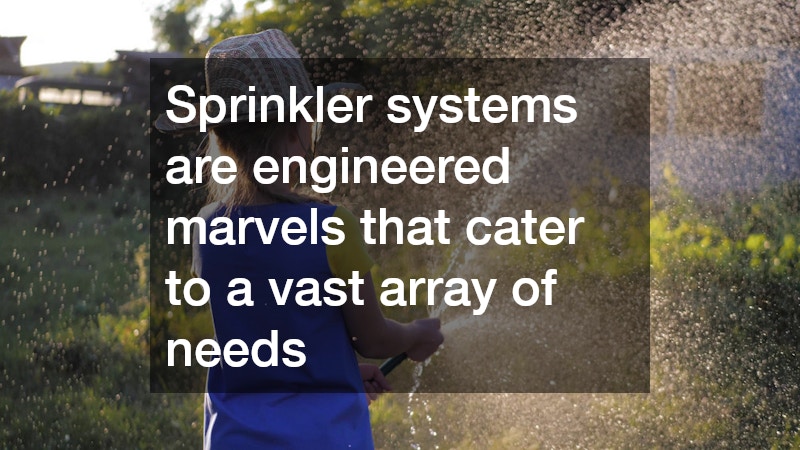
Sprinkler systems are engineered marvels that cater to a vast array of needs, extending far beyond their most recognized role in irrigation. Their application spans across diverse sectors, offering solutions for both residential and commercial environments. In this article, we will delve into the multifaceted roles of sprinkler systems and explore how they serve as indispensable tools in various industries.
Residential Uses of Sprinkler Systems
The use of sprinkler systems in residential settings primarily revolves around maintaining lush, green lawns and efficient garden management. Homeowners benefit from automatic sprinkler systems that provide consistent watering schedules, ensuring plants receive the ideal amount of hydration. This not only saves time but also conserves water, as these systems can be programmed to avoid overwatering.
Beyond lawns and gardens, residential sprinkler systems can be used for rooftop gardens and green walls. They offer a sustainable solution for urban dwellers who wish to cultivate plant life in limited spaces. Automated systems are particularly beneficial in maintaining these installations by delivering precise water distribution and accommodating the unique needs of each plant species.
Safety is another aspect where residential sprinkler systems play a crucial role. In areas prone to wildfires, such systems can be utilized to create a defensible space around homes, significantly reducing the risk of fire damage. When effectively designed, these systems offer homeowners additional peace of mind, knowing their properties are better protected from natural disasters.
Agricultural Applications of Sprinkler Systems
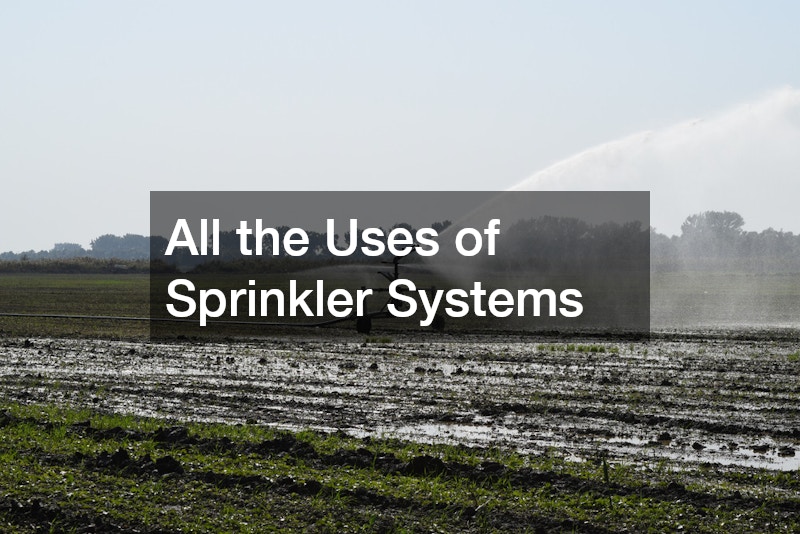
Within the agricultural sector, sprinkler systems revolutionize how farmers manage irrigation. Precision-controlled systems ensure crops receive adequate water, minimizing waste and maximizing growth. By utilizing technology such as soil moisture sensors, farmers can create a responsive irrigation strategy that adapts to changing environmental conditions.
Greenhouses also benefit from the implementation of sprinkler systems. They maintain the necessary humidity and moisture levels, providing optimal growing conditions for plants. Automated systems alleviate the labor-intensive task of manual watering, allowing farmers to focus on other productive activities, thereby improving overall farm efficiency.
Moreover, sprinkler systems aid in pest and disease control on farms. By facilitating consistent leaf wetting, these systems can help prevent the spread of certain pathogens and deter various insect infestations. This duality in functionality helps in maintaining a healthy crop yield while simultaneously promoting sustainable farming practices.
Commercial Landscaping and Sprinkler Systems
Commercial properties often utilize sprinkler systems to maintain expansive landscapes, which enhance aesthetic appeal and create inviting environments for clients and employees. These systems allow property managers to uphold professional and polished appearances effortlessly. By implementing a well-designed irrigation plan, they’ll ensure vibrant greenery without excessive water bills.
Moreover, commercial properties such as golf courses and sports fields rely heavily on advanced sprinkler systems. They ensure turf receives consistent hydration, promoting better playability and visual appeal. By employing zone-specific watering, these systems optimize resource usage and adapt to the varied needs of different field areas.
Another critical application is in business parks where water features are part of landscape architecture. Utilizing sprinkler systems ensures both aesthetic elements and surrounding flora thrive without imposing additional operational demands. This contributes to sustainable and cost-effective property management, attracting potential tenants and clients.
Fire Protection with Sprinkler Systems
Beyond irrigation, one of the most crucial roles of sprinkler systems is fire protection. Fire sprinkler systems are integral to building safety protocols, offering swift response capabilities in emergencies. Upon detecting elevated heat, these systems discharge water to suppress fires, gaining valuable time for evacuation and emergency services to arrive.
The design of fire sprinkler systems varies from wet pipe systems to deluge options, each suited to different environments and fire risks. These systems are essential in commercial and industrial settings, where fire hazards can pose significant threats to life and property. Their integration into building infrastructure is a mandatory safety measure in many jurisdictions.
In residential settings, fire sprinkler systems provide added safety by protecting families and reducing potential fire damage. These systems are now more affordable and accessible, leading to increased adoption. As public awareness grows regarding their life-saving potential, more homeowners are opting to install these systems for enhanced security.
Industrial Settings and Sprinkler Systems
In industrial environments, sprinkler systems are employed for both safety and operational purposes. Facilities that handle flammable materials rely on advanced sprinkler systems to minimize fire risks. The implementation of such systems is often required by regulations to ensure compliance with safety standards.
Additionally, sprinkler systems assist in dust suppression in factories where particulate matter poses health risks and fire hazards. These systems help maintain air quality within industrial settings, protecting both employees and machinery. By reducing airborne dust, they contribute to improved working conditions and reduced equipment maintenance costs.
The adaptability of sprinkler systems makes them suitable for specialized industrial applications. For example, in certain manufacturing processes that require precise environmental conditions, customized sprinkler systems can help maintain humidity levels. This precision enhances product quality and ensures continuity in production.